
How to Clean and Maintain Your Epoxy Floors to Make Them Last Decades

Epoxy floors are incredibly durable, but proper care ensures they retain their high-gloss shine for years to come. Learn the simple do’s and don’ts of cleaning your residential or commercial epoxy surfaces.
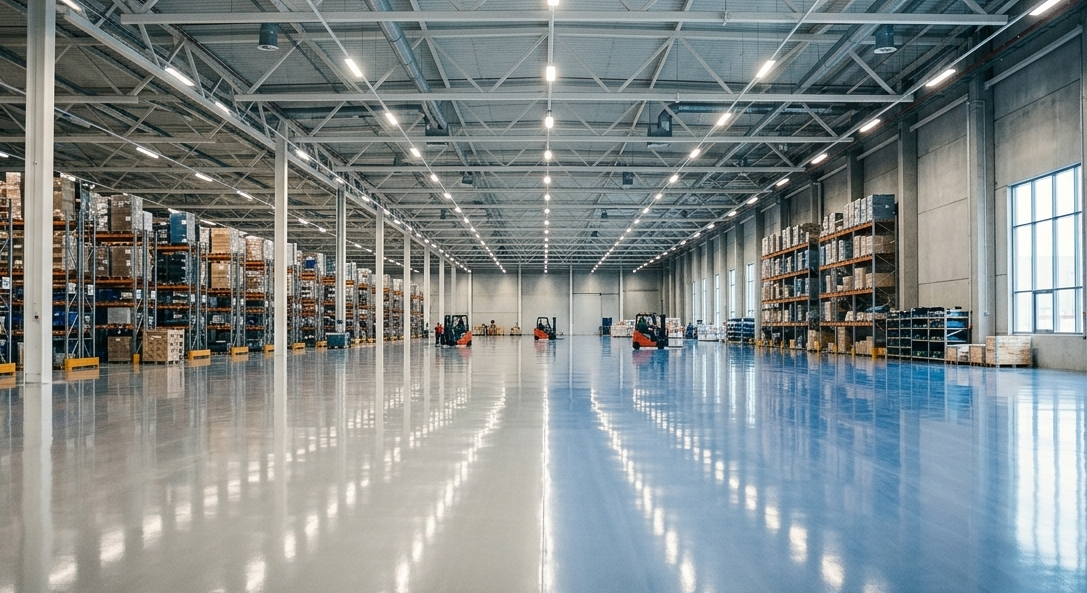
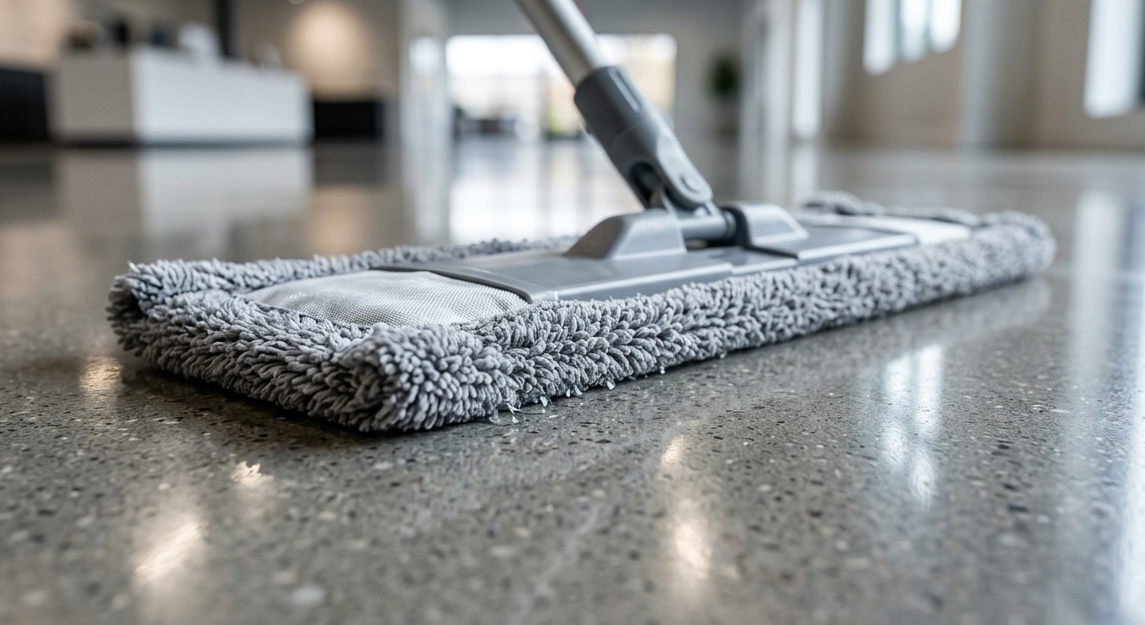
One of the greatest selling points of epoxy flooring is its legendary durability, but even the toughest surface benefits from regular, proper care. The good news is that maintaining epoxy is significantly easier than caring for bare concrete, tile, or wood floors. The single most important daily habit for epoxy longevity is dust mopping. Dust, dirt, and fine grit act like sandpaper underfoot; when walked on, these tiny particles scratch the clear topcoat, gradually dulling the high-gloss finish. A quick pass with a microfiber dust mop or a soft-bristle broom every day or two removes this abrasive debris before it can cause damage. For commercial spaces like warehouses or showrooms, using an auto-scrubber with a soft pad on a weekly basis keeps large areas clean without excessive wear. This simple step alone can extend the life of your epoxy’s shine by many years.
When it comes to wet cleaning, choosing safe cleaning agents is critical. Epoxy is chemically resistant, but harsh acids (like vinegar, citrus cleaners, or toilet bowl cleaners) and ammonia-based products can slowly break down the topcoat or leave hazy residues. Instead, use a pH-neutral cleaner specifically designed for coated floors, or simply mix warm water with a few drops of mild dish soap. Avoid abrasive scrub pads, steel wool, or powdered cleansers that physically scratch the surface. For residential garages or commercial kitchens, a soft microfiber mop with a neutral cleaner is all you need to lift dirt and restore shine. Never use floor wax or acrylic finishes on epoxy—they won’t adhere properly and will create a slippery, peeling mess. The beauty of epoxy is that it maintains its own shine without additional coatings.
Even with perfect care, minor scratches or scuff marks may eventually appear, especially in high-traffic areas. The good news is that these are usually easy to handle. For light scuffs from shoes or pallet jacks, a small amount of baking soda mixed into a paste with water, gently rubbed with a soft cloth, often removes the mark without damaging the finish. For deeper scratches, a professional can perform a “re-coat” or spot repair that blends seamlessly. The most important rule for stubborn spills is to address them immediately. Chemicals like brake fluid, paint thinner, or strong acids can stain or soften epoxy if left sitting for hours. Wipe up any unusual spills as soon as they happen, then clean the area with a mild soap solution. By following these simple do’s and don’ts—daily dust mopping, pH-neutral cleaners, no wax, and immediate spill response—your epoxy floor can easily last 20 years or more while looking nearly as good as the day it was installed.