Blog
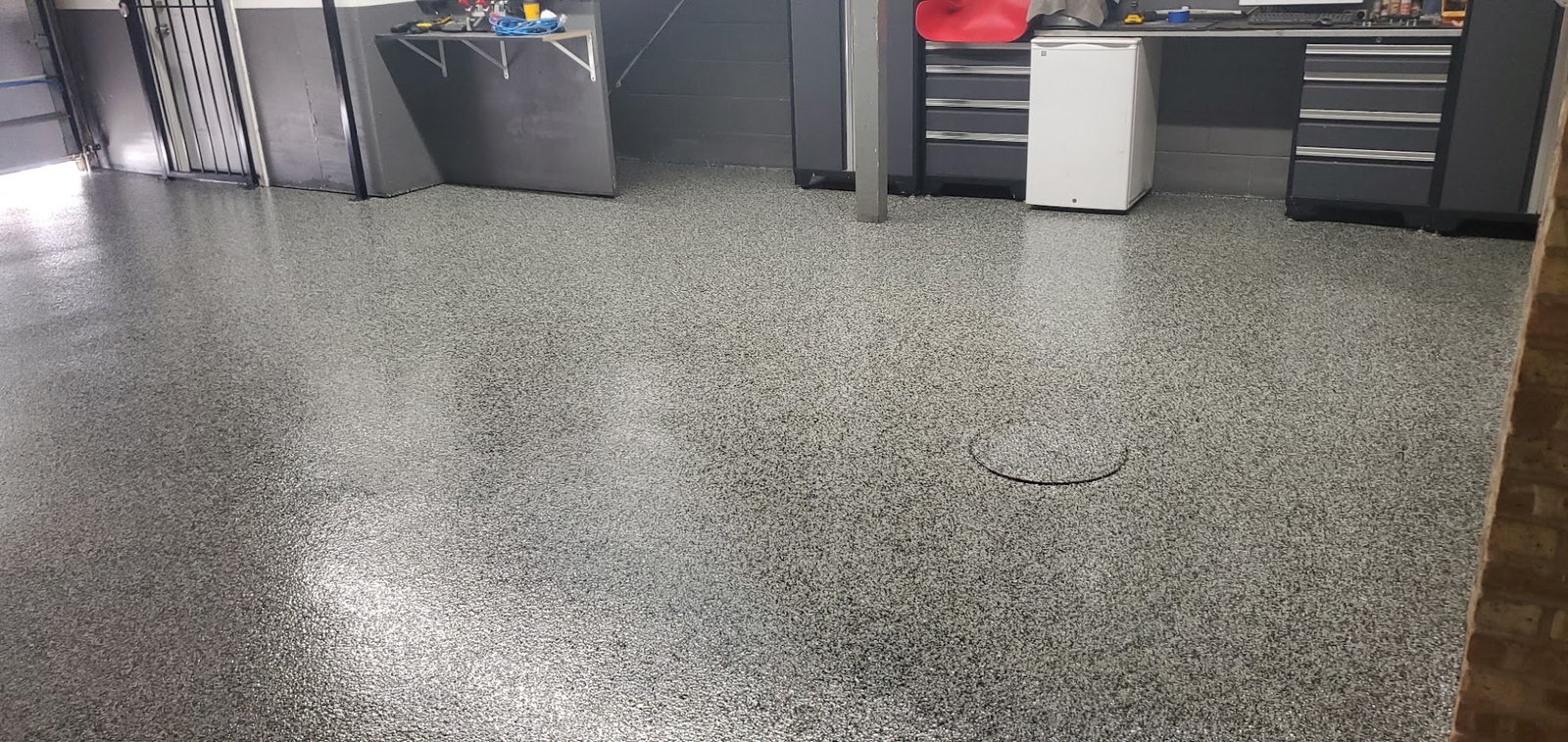
An epoxy garage floor is tough, easy to clean and resists salt and oil, and it makes the whole garage brighter. The downsides are upfront cost, a slick surface when wet if no texture is added, and peeling if the slab is poorly prepped. Almost every con is solved by proper grinding, a flake broadcast and a UV-stable polyaspartic topcoat.
Epoxy is the most requested garage floor we install around Chicago, and for good reason. It is also the floor we see go wrong most often when it is sold cheap or rolled over a dirty slab. Here is the honest list of pros and cons, and what we do to cancel out each downside.
The pros of an epoxy garage floor
It is much tougher than bare concrete
A properly installed epoxy system bonds into the top of the slab and forms a hard, seamless surface. It handles car traffic, rolling toolboxes, jack stands and dropped tools far better than raw concrete, which dusts, stains and spalls.
It shrugs off road salt, oil and chemicals
Chicago garages take a beating from brine, rock salt and snowmelt every winter. Epoxy and polyaspartic topcoats are nonporous, so salt water sits on top and wipes away instead of soaking in and breaking down the concrete surface.
It is easy to clean
No more sweeping up concrete dust. A dust mop and a damp mop with a mild cleaner are all most floors need. Oil drips and antifreeze wipe off rather than leaving permanent stains.
It brightens the whole space
A light gray or flake floor reflects overhead light, so the garage feels cleaner and easier to work in. Many homeowners notice it most at night.
It adds curb appeal and resale value
A finished garage floor is a visible upgrade in listing photos and showings. It signals a well cared for home, especially next to a stained bare slab.
You can choose the look
Solid colors, full or partial flake broadcasts and metallic finishes are all options. Browse our epoxy floor color chart to see flake blends and solid tones.
The cons of an epoxy garage floor
Higher upfront cost than paint or a DIY kit
A professional flake system in the Chicago area typically runs about $4.50 to $9 per square foot depending on slab condition and system. That is more than a weekend kit. The difference is diamond grinding, crack repair, thicker material and a topcoat that lasts. See our Chicago epoxy cost guide for full numbers.
It can be slippery when wet
A smooth glossy coat gets slick under melting snow. The fix is simple: a flake broadcast adds texture, and an anti-slip additive in the topcoat adds more grip. Read are epoxy floors slippery for the details.
Poor prep leads to peeling
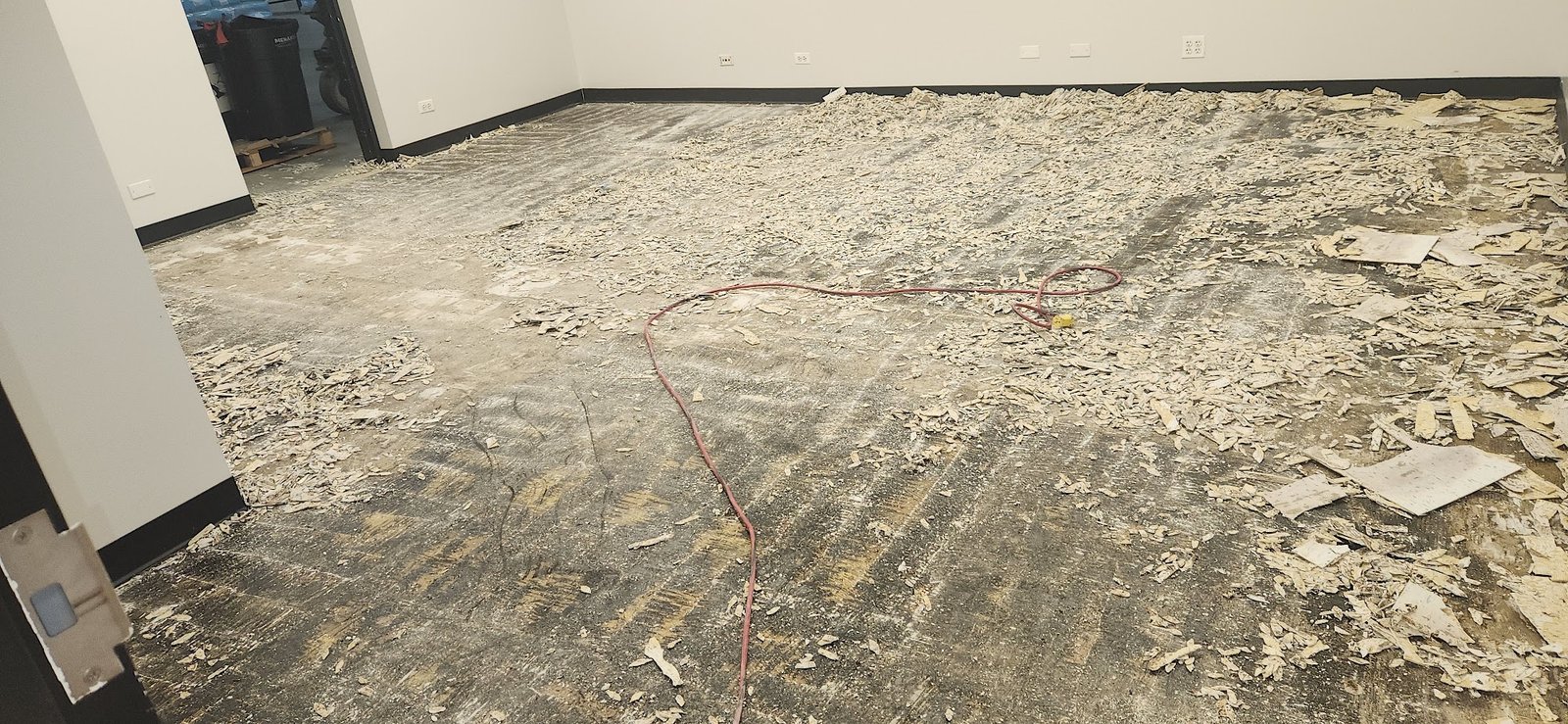
Hot tire pickup and peeling almost always trace back to prep: acid etching instead of grinding, a damp slab, or a coat that is too thin. A pro install with diamond grinding and a moisture test avoids this. We explain the causes in why epoxy floors peel.
Cure time means downtime
Traditional epoxy needs several days before you can park on it. Polyaspartic topcoats shorten that a lot. Our guide on how long epoxy takes to cure lays out the timeline.
Some epoxies yellow in sunlight
Standard epoxy can amber when a garage door stays open to direct sun. A UV-stable polyaspartic topcoat prevents that, which is why we use it as the top layer on garage floors. Compare the two in polyaspartic vs epoxy.
Pros and cons at a glance
| Factor | Pro | Con and fix |
|---|---|---|
| Durability | Resists impacts, tires and tools | Needs proper prep to bond |
| Salt and chemicals | Nonporous, wipes clean | None when topcoated |
| Safety | Bright, easy to see spills | Slick when wet; add flake and grit |
| Cost | Long life lowers yearly cost | Higher upfront than kits |
| Downtime | One or two day installs | Wait before parking |
| Appearance | Many colors and flake blends | Plain epoxy can yellow; use a UV topcoat |
Want a written number for your garage?
Free on-site measure and moisture test.
Is an epoxy garage floor worth it?
For most Chicago homeowners who park in the garage year round, yes. A well built flake floor typically lasts 10 to 20 years, and it protects the slab from salt damage that is expensive to repair. It is less worth it if the slab has an unresolved moisture problem, or if you plan to sell within months. See how long epoxy flooring lasts for a closer look.
This article is part of our complete guide to garage floor coatings in Chicago.
- Start here: Garage Floor Epoxy, the Complete Guide
- Best Garage Floor Coating Options Compared
- How Much It Costs to Epoxy a Garage Floor
- Polyaspartic vs Epoxy
- Flake Epoxy Floors: Chips, Blends and Coverage
- Epoxy Floor Color Chart
- Epoxy Garage Floor Pros and Cons
- DIY Epoxy Garage Floor: What It Really Takes
- How Long Epoxy Takes to Cure
- Why Epoxy Floors Peel
- Are Epoxy Floors Slippery?
- How Long Epoxy Flooring Lasts
- Epoxy Floor Maintenance Guide
Frequently asked questions
What is the biggest downside of an epoxy garage floor?
Peeling from poor prep is the biggest real risk. It is avoided with diamond grinding, a moisture test and a proper topcoat.
Does epoxy crack in cold weather?
A properly bonded system handles Chicago winters well. Existing cracks in the concrete should be repaired before coating.
Is epoxy better than garage floor tiles?
Epoxy is seamless, so water and salt cannot sit in joints. Tiles are easier to remove but trap grit and moisture underneath.
How long before I can park on a new epoxy floor?
It depends on the system. Many polyaspartic floors allow parking in about 24 to 72 hours; traditional epoxy often needs longer.
Epoxy, flake, metallic and polished concrete installers serving Chicagoland since 2006. Every article is written from what we see on real slabs.
Get a written number for your floor.
On-site measure and moisture test at no cost.
(773) 908-4913Request Estimate