Blog
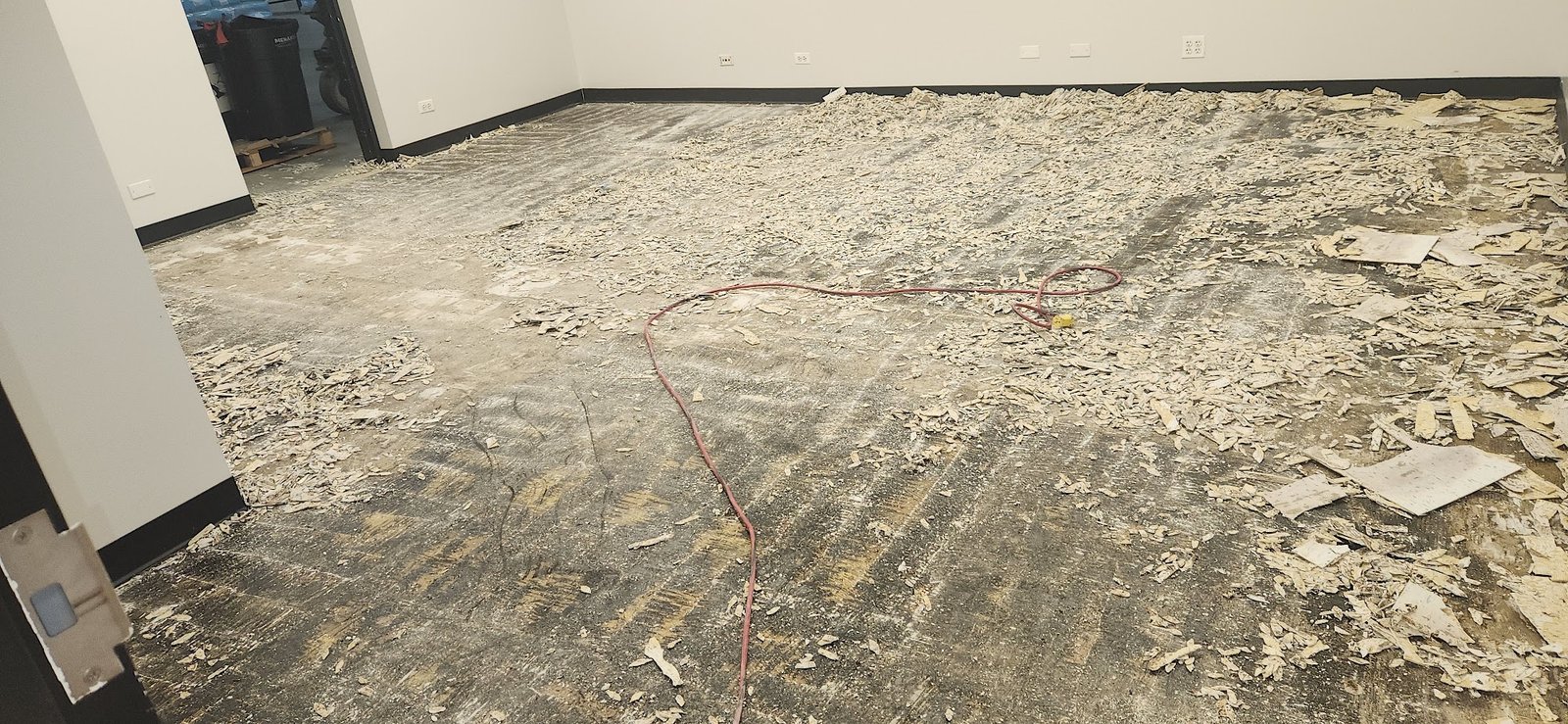
Epoxy floors usually peel because the concrete was not properly prepared. The most common causes are acid etching instead of diamond grinding, moisture coming up through the slab, oil or sealer contamination, hot tire pickup on thin coatings, and applying the product outside its temperature range. Proper grinding, moisture testing and a thicker system prevent almost all of it.
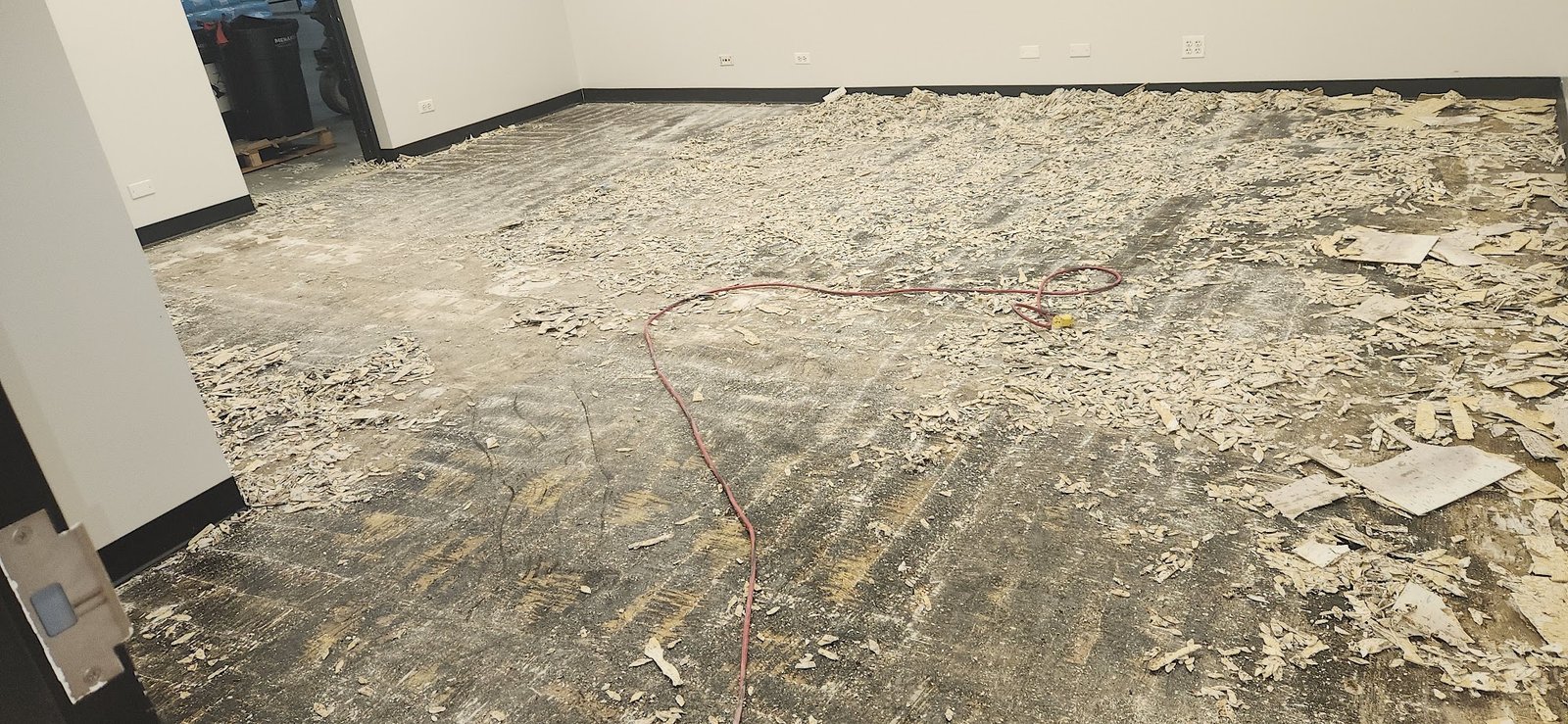
A good share of our work around Chicago starts with grinding off a coating that failed. Peeling is frustrating, but it is not random. Nearly every failed floor we remove traces back to one of the causes below.
1. The concrete was not properly prepared
Epoxy needs an open, rough surface to grab onto. Smooth or sealed concrete gives it nothing to bond to. Many DIY kits and low bids use acid etching, which often leaves the surface too smooth and residue behind. We diamond grind every slab to a consistent profile first. Learn more about our concrete grinding and prep.
2. Moisture in the slab
Concrete on grade can push moisture vapor upward. That pressure builds under a nonporous coating and lifts it, often as bubbles or white powder under the peeling edges. Basements are especially prone to this. A moisture test before coating, and a moisture-mitigating primer when needed, prevents it.
3. Hot tire pickup
Warm tires coming off the road can soften thin or low-quality coatings. When the car cools and pulls away, the coating lifts with the tire. It is most common with thin water-based kits. Thicker 100 percent solids systems and polyaspartic topcoats resist it.
Want a written number for your garage?
Free on-site measure and moisture test.
4. Contamination: oil, grease and old sealers
Oil stains, silicone, curing compounds and old sealers stop epoxy from bonding. Degreasing is not always enough; the contaminated layer often needs to be ground off.
5. Coating applied too thin
Many kits go on at a fraction of the thickness of a professional system. Thin coats wear through quickly, especially in tire paths, and they are more prone to pickup.
6. Wrong temperature or rushed cure
Coating a cold slab slows the reaction, and parking too soon stresses an uncured floor. Our guide on how long epoxy takes to cure covers the timeline.
Warning signs of a failing floor
- Edges lifting in tire paths.
- Bubbles or blisters, especially in basements.
- White powder or dampness under loose areas.
- Coating wearing through to gray concrete.
Can a peeling epoxy floor be fixed?
Small, isolated spots can sometimes be patched. Widespread peeling usually means the bond failed, so the right fix is to grind off the old coating, address moisture if needed, and install a new system. We do this often for homeowners with failed DIY floors; see DIY epoxy garage floor for why kits struggle.
How we prevent peeling
- Diamond grinding to a consistent surface profile.
- Moisture testing and mitigation primers where needed.
- Crack and spall repair before coating.
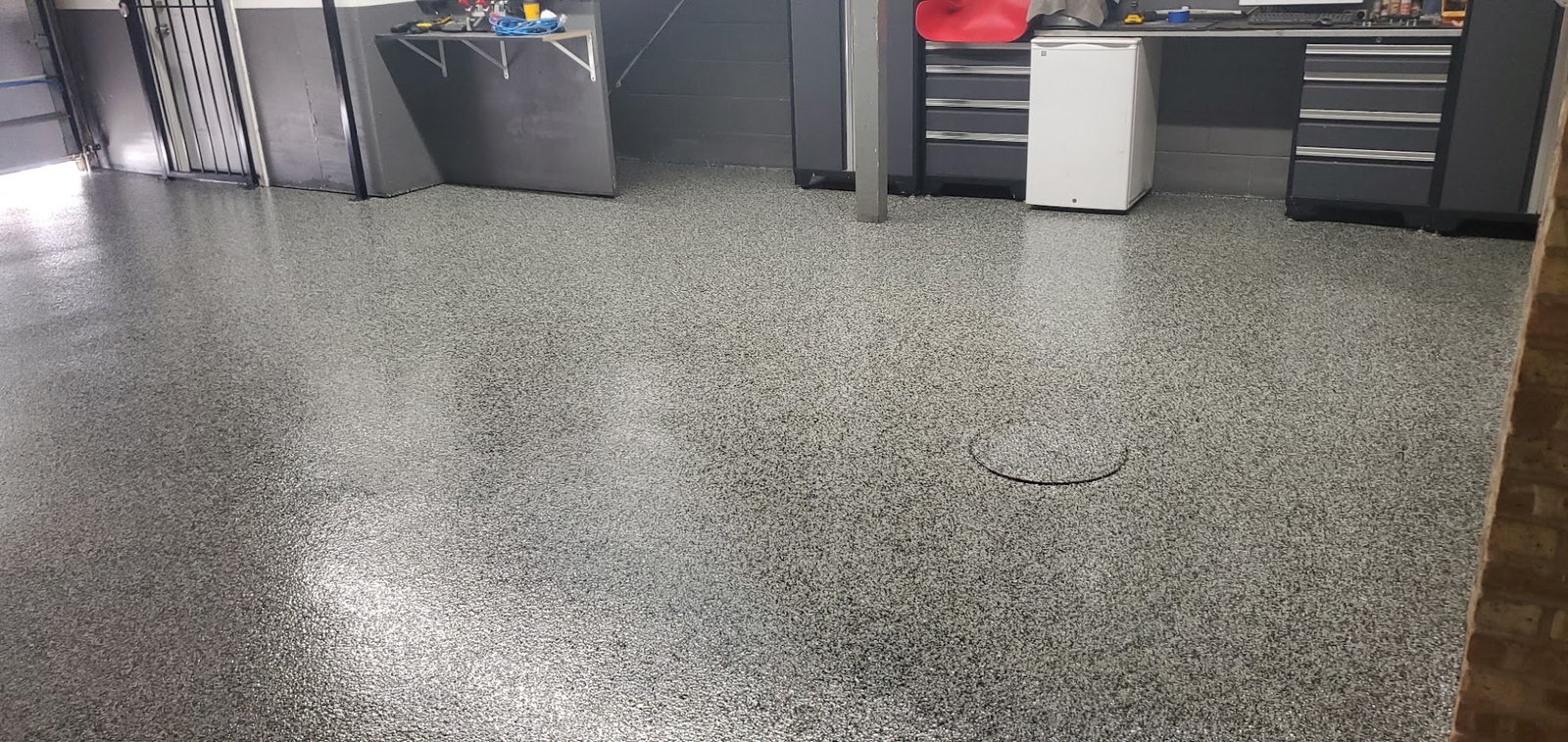
- Thick, commercial-grade base coats and a polyaspartic topcoat.
- Clear cure instructions before you drive on it.
This article is part of our complete guide to garage floor coatings in Chicago.
- Start here: Garage Floor Epoxy, the Complete Guide
- Best Garage Floor Coating Options Compared
- How Much It Costs to Epoxy a Garage Floor
- Polyaspartic vs Epoxy
- Flake Epoxy Floors: Chips, Blends and Coverage
- Epoxy Floor Color Chart
- Epoxy Garage Floor Pros and Cons
- DIY Epoxy Garage Floor: What It Really Takes
- How Long Epoxy Takes to Cure
- Why Epoxy Floors Peel
- Are Epoxy Floors Slippery?
- How Long Epoxy Flooring Lasts
- Epoxy Floor Maintenance Guide
Frequently asked questions
Why is my new epoxy floor peeling?
Early peeling usually points to poor prep, moisture in the slab, or parking before the coating fully cured.
What is hot tire pickup?
It is when warm tires soften a coating and pull it up as the car moves. Thicker, higher quality systems resist it.
Can you put new epoxy over peeling epoxy?
Not reliably. Loose coating must be removed, and the slab ground, before a new system goes down.
Does basement moisture cause epoxy to peel?
Yes. Moisture vapor from below is a leading cause of basement coating failures, which is why testing comes first.
Epoxy, flake, metallic and polished concrete installers serving Chicagoland since 2006. Every article is written from what we see on real slabs.
Get a written number for your floor.
On-site measure and moisture test at no cost.
(773) 908-4913Request Estimate