Polyaspartic vs Epoxy for Chicago Garages
Cure time, cold-weather installs, yellowing, cost and lifespan, compared side by side by the crew that installs both.
The short answer
Polyaspartic cures faster, resists yellowing in sunlight and can be installed in much colder weather. Epoxy costs less and gives the installer more working time, which matters for metallic and decorative floors. For a Chicago garage that sees road salt, summer sun and a short install season, a polyaspartic garage floor coating is usually the better long-term value. For a basement or interior shop, epoxy is often all you need.
Side-by-side comparison
| Polyaspartic | Epoxy | |
|---|---|---|
| Foot traffic | Within hours | About 24 hours or more |
| Vehicles | About 1 day | Several days |
| Install temperature | Well below freezing (product dependent) | Slab around 50°F or warmer |
| Sunlight | UV-stable, resists yellowing | Can amber over time |
| Installed cost | Higher; national guides show roughly $5 to $12 per sq ft | Our flake epoxy runs about $4.50 to $9 per sq ft |
| Working time | Minutes; professional install only | Longer; DIY kits exist |
| Build and leveling | Thinner coats | Thicker, self-leveling coats |
| Lifespan | Both commonly last 10 years or more over a properly ground slab. Most failures come from poor prep, not the chemistry. | |
Epoxy prices come from our Epoxy Cost Calculator. For garage-size examples, see how much it costs to epoxy a garage floor.
Where polyaspartic wins
- Fall and winter installs: it keeps curing when a Chicago garage slab is too cold for standard epoxy.
- Sunny garages: a west-facing garage with the door up all summer will not yellow the way plain epoxy can.
- Fast turnaround: you get the garage back in about a day instead of most of a week.
- Salt and hot tires: a hard, chemical-resistant topcoat that stands up to snowmelt and tire pickup.
Where epoxy wins
- Budget: lower material cost for the same square footage.
- Metallic and decorative floors: metallic epoxy needs long working time to move the pigment by hand.
- Basements and interior rooms: little sunlight, so yellowing is rarely an issue.
- Uneven slabs: thicker, self-leveling coats fill minor dips better.
The hybrid many installers use
A common approach is an epoxy base coat with a full flake broadcast, finished with a clear polyaspartic topcoat. You get epoxy’s bond and build underneath and a UV-stable, scratch-resistant surface on top. Ask us at your estimate whether a full polyaspartic system or a hybrid fits your garage and budget.
Disadvantages of polyaspartic
- Higher upfront cost than epoxy.
- Very short working time, so it is not a DIY product.
- Glossy finishes can be slick when wet unless flakes or an anti-slip additive are used.
- It still needs diamond grinding. A fast-curing coating over a poorly prepped slab fails just as fast.
This article is part of our complete guide to garage floor coatings in Chicago.
- Start here: Garage Floor Epoxy, the Complete Guide
- Best Garage Floor Coating Options Compared
- How Much It Costs to Epoxy a Garage Floor
- Polyaspartic vs Epoxy
- Flake Epoxy Floors: Chips, Blends and Coverage
- Epoxy Floor Color Chart
- Epoxy Garage Floor Pros and Cons
- DIY Epoxy Garage Floor: What It Really Takes
- How Long Epoxy Takes to Cure
- Why Epoxy Floors Peel
- Are Epoxy Floors Slippery?
- How Long Epoxy Flooring Lasts
- Epoxy Floor Maintenance Guide
Polyaspartic vs epoxy FAQs
Is polyaspartic worth the money?
For a garage that gets sun, road salt and daily parking, usually yes: faster return to use and color that holds up are worth the higher price for most homeowners. For a basement or storage room, epoxy is often the better value.
What is the strongest garage floor coating?
Strength depends more on prep and thickness than on the label. A full-broadcast flake system over a diamond-ground slab, finished with a polyaspartic or polyurea topcoat, is among the most durable residential options.
How long do polyaspartic garage floors last?
Installed over a properly prepared slab, a residential polyaspartic flake floor commonly lasts 15 years or more.
Can I pick the same colors in both?
Yes. The flake blends on our epoxy floor color chart work in epoxy and polyaspartic systems.
Bring us a slab. We will tell you the truth about it.
On-site measure and moisture test at no cost. Written number valid 30 days.
(773) 908-4913Mon to Sat, 7am to 6pm
Request EstimateReal floors from our crew
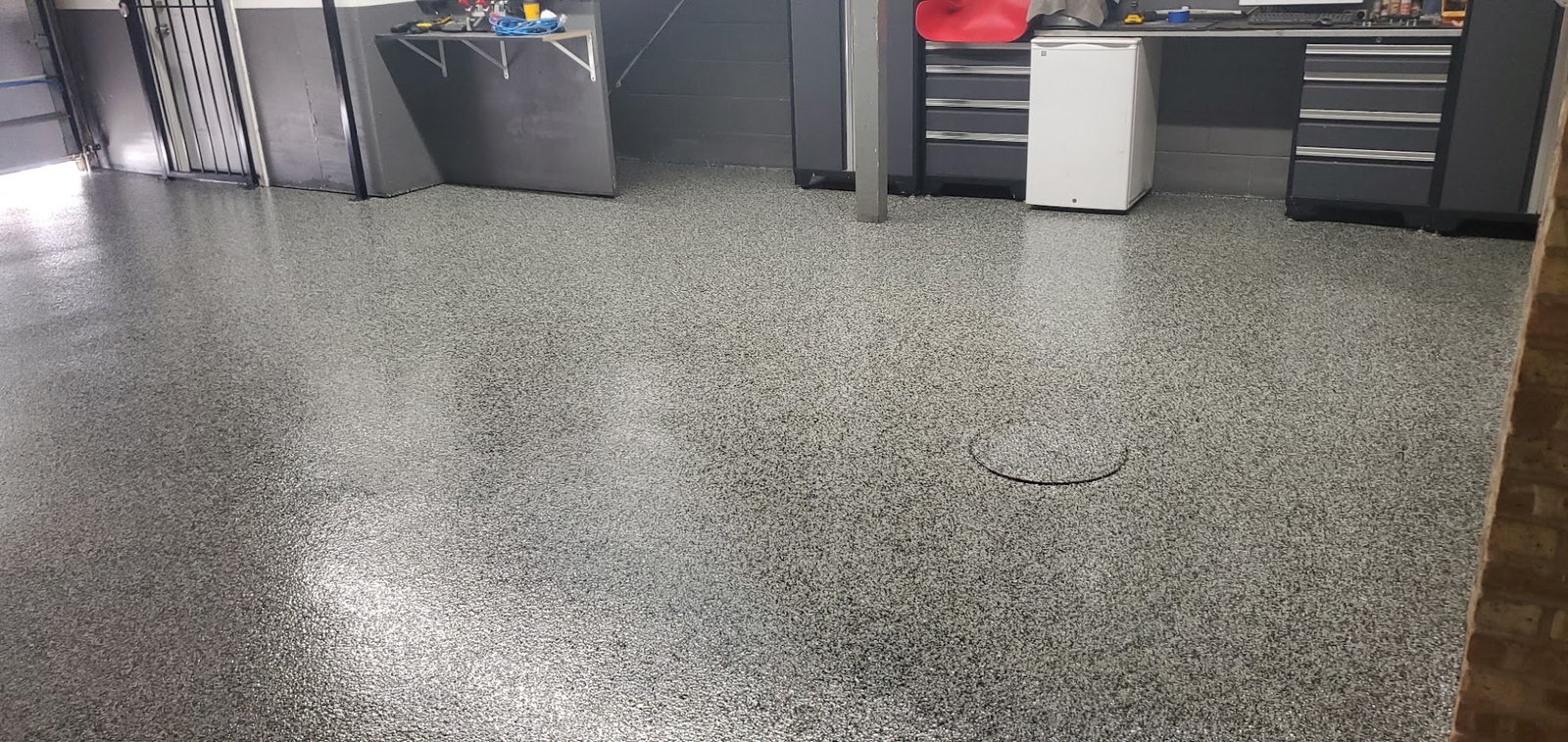
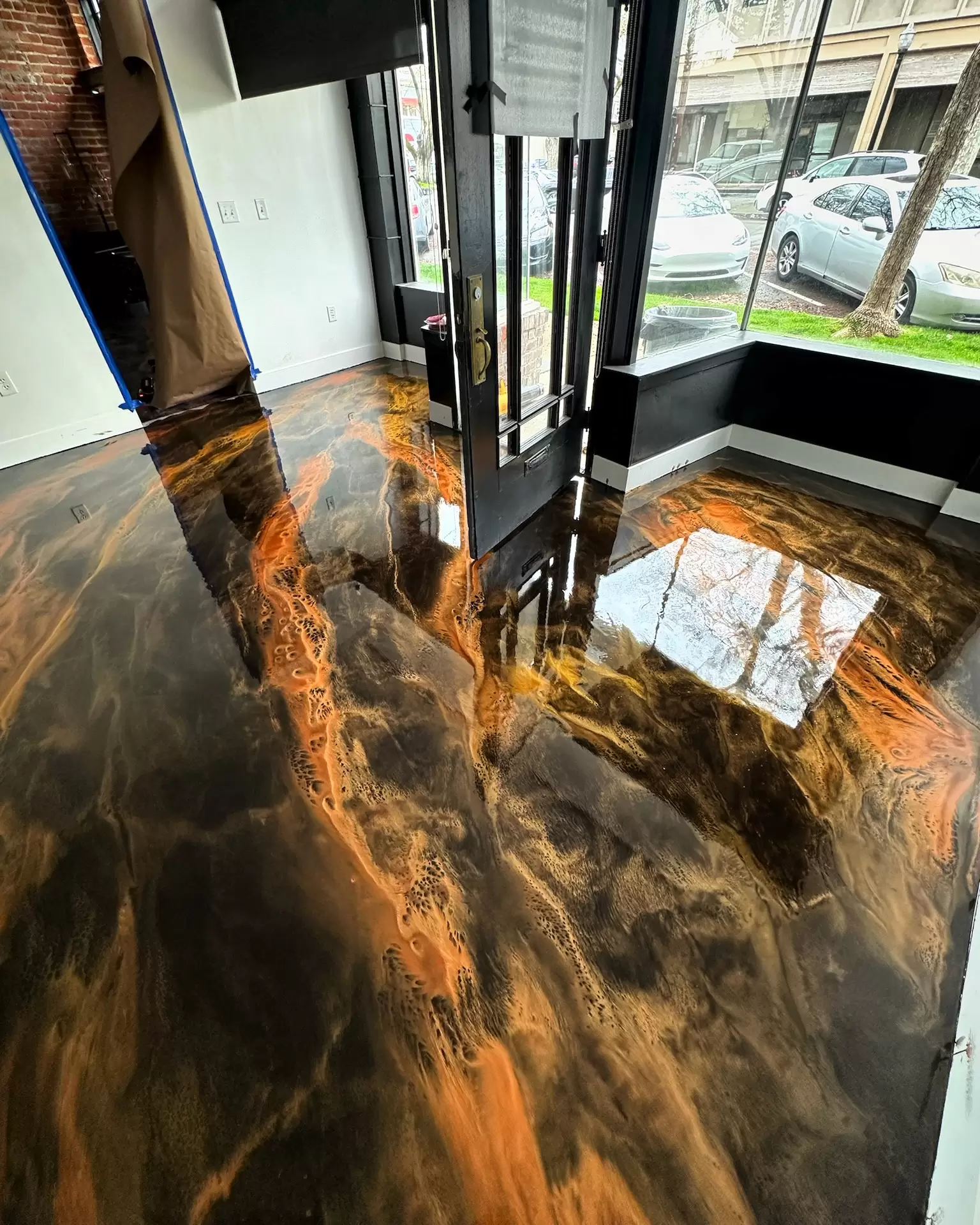
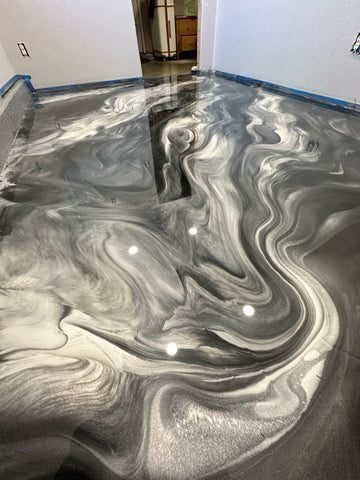
Floor systems we install
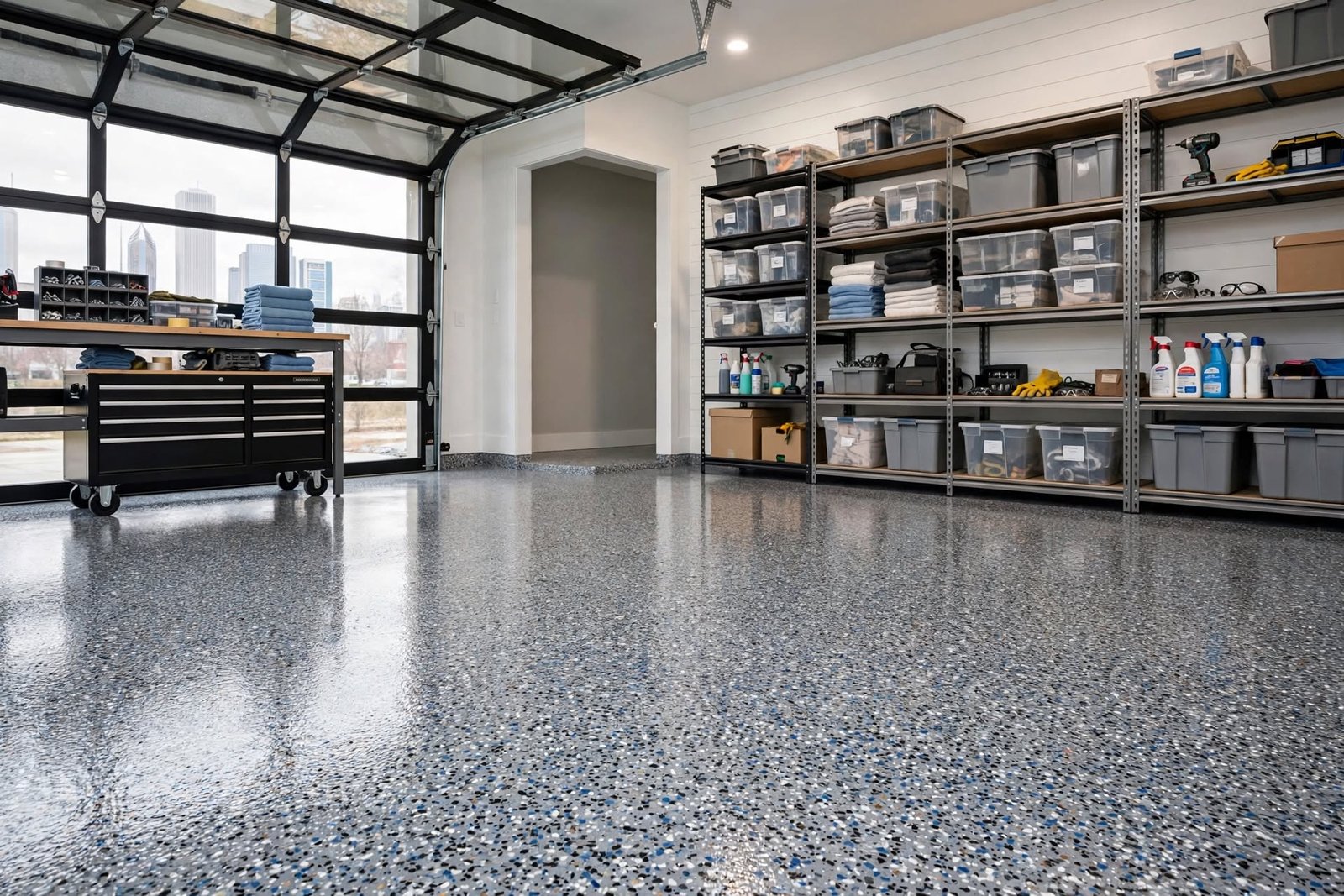
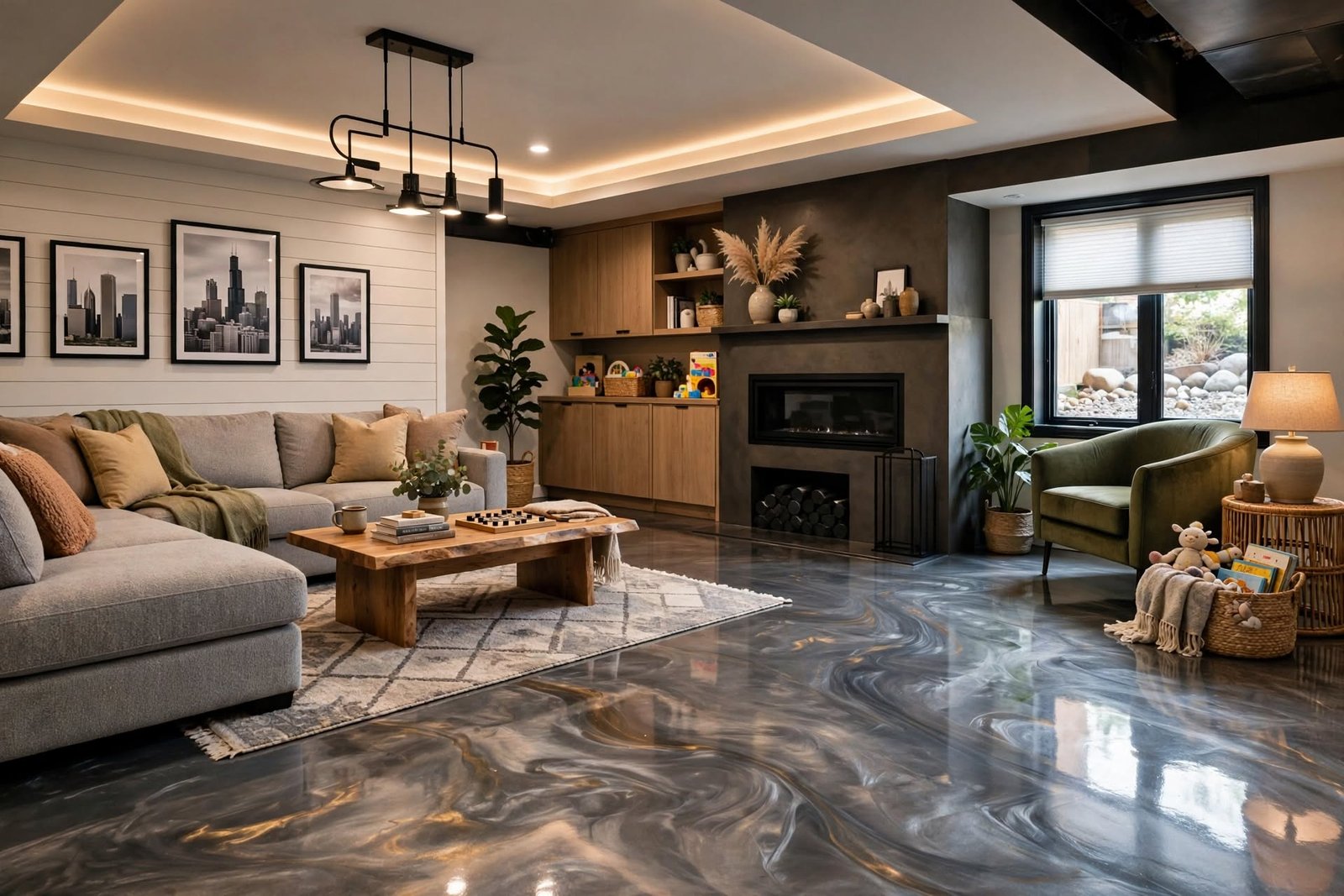
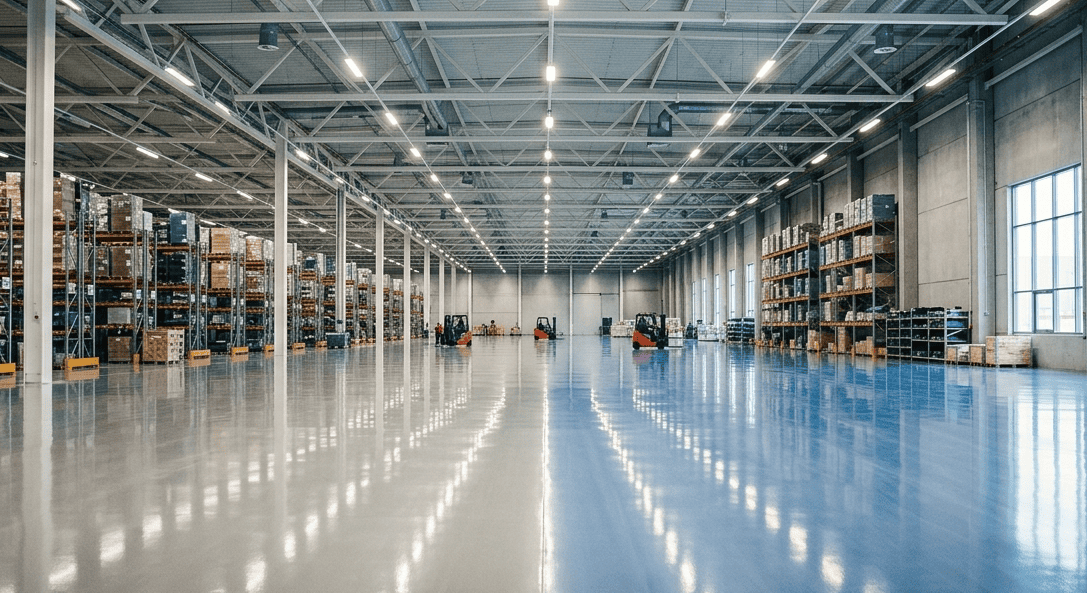
Whichever chemistry you choose, these are the floors we install most often around Chicago.
What our customers say
Real reviews from our Google Business Profile.
“Manny and Chris did an excellent job sealing and fixing multiple cracks in my garage floor. Epoxied the floor and now it is 10x better looking than before, all at a decent price!”
“F&L flooring are amazing. Redid my entire basement floor and could not be more pleased. The company is as professional as it gets when creating what I asked for. Would definitely recommend.”
“Truly very professional. Explained everything they had to get done, they did it, and it was very clean after the job was done. Price was very, very fair.”
Plan your floor before we show up
Built by the crew that grinds the floors. No email required.
Epoxy Cost Calculator
Price your garage, basement or shop floor in 30 seconds using real Chicago-area ranges.
Open toolFlake Color Visualizer
Mix base colors and flake blends and see your garage floor before we grind a thing.
Open toolFloor System Finder
Answer five quick questions and get the coating system that fits your space and budget.
Open toolNot sure which one fits your garage?
Bring us photos of looks you like. We will show you samples and give you a written number after a free on-site visit.